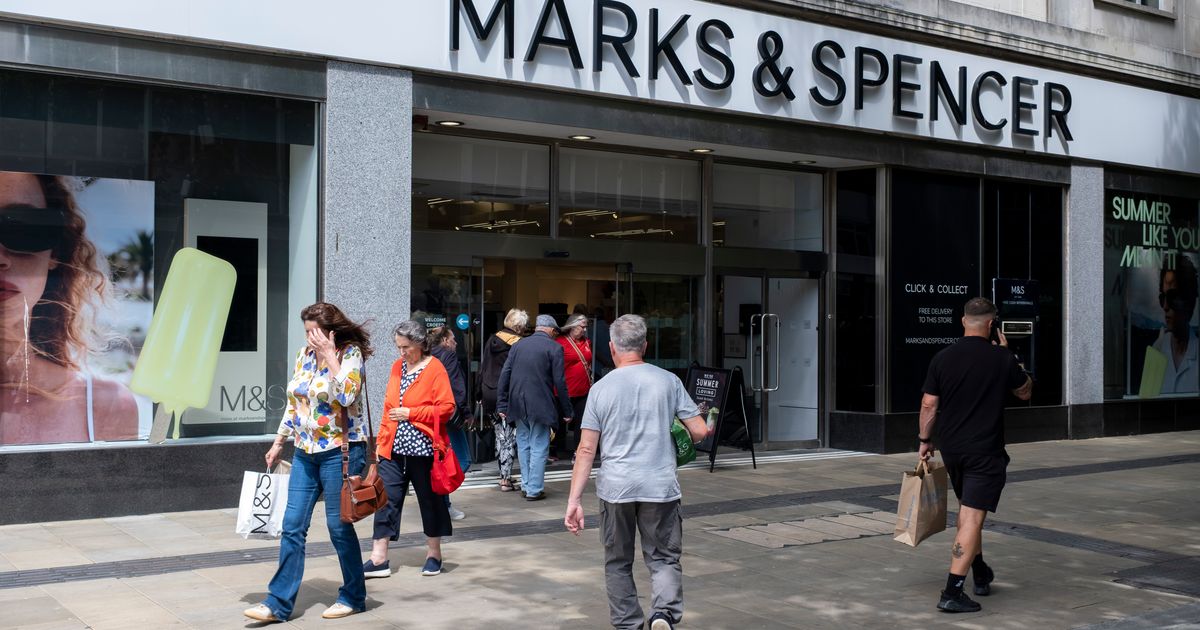
Why M&S Stores Are Closing in 2025: Reshaping for a Digital Future
Marks & Spencer, a name synonymous with the British high street, is once again embarking on a significant transformation, with announcements of various M&S store closing in 2025 making headlines. While the news of these closures might initially cause concern among loyal customers and local communities, it's essential to view this not as a retreat, but as a calculated and strategic pivot. These closures are an integral part of M&S's ambitious long-term plan to reshape its business model for a future increasingly dominated by digital convenience, sustainable practices, and optimised physical spaces. This proactive approach aims to solidify M&S's position as a modern, relevant, and thriving retailer in an ever-evolving market.
For decades, M&S has been a cornerstone of retail, adapting through various economic climates and consumer trends. The current wave of Marks & Spencer closures represents the latest chapter in this ongoing evolution, driven by the imperative to modernise operations, streamline costs, and accelerate digital growth. It's about creating a leaner, smarter retail presence across the UK, capable of meeting customers where they are today and where they will be tomorrow.
The Strategic Rationale Behind M&S Store Closures in 2025
The decision to close a number of M&S stores in 2025 is not an isolated event but the continuation of a phased restructuring initiated several years ago. The company has been systematically targeting underperforming or outdated stores while simultaneously investing heavily in new formats, online platforms, and modern retail hubs. In early 2025, M&S confirmed plans to close approximately 30 more stores across the UK by the fiscal year's end, as part of a broader 2022 initiative to reduce its full-line stores (those selling clothing, homeware, and food) from 247 to around 180.
Adapting to Evolving Consumer Habits
One of the most significant drivers behind the M&S store closing strategy is the profound shift in consumer behaviour. Before 2020, approximately 25% of M&S's clothing and home revenue came from online sales. Today, that figure has soared to over 40%, a clear indicator of how profoundly shopping patterns have changed. The COVID-19 pandemic acted as a powerful catalyst, accelerating the transition towards digital platforms, a trend that shows no signs of reversing.
Modern customers now expect seamless hybrid shopping experiences: the convenience of browsing and buying online, the flexibility of robust click-and-collect services, and the curated, inspiring experience of visiting select flagship stores for specific needs. Generations like Millennials and Gen Z, in particular, prioritise convenience, choice, and personalised experiences that online platforms often deliver more effectively. Older, less inspiring full-line stores with declining footfall simply cannot justify their operational costs in this new landscape. As M&S CEO Stuart Machin perfectly encapsulated this strategy, “This is not about retreating; it’s about reshaping. We are building a modern M&S that meets customers where they are — in stores that inspire and online spaces that deliver.” This forward-thinking approach is critical for long-term survival in a competitive retail environment. For a deeper dive into how these shifts are impacting retailers across the board, you might find The Truth Behind M&S Closures: How Changing Habits Reshape Retail insightful.
Optimising Property Portfolio and Costs
Beyond changing shopping patterns, the economic realities of operating a large retail estate are pressing. Soaring property costs, particularly in prime city centre locations across the UK, coupled with rising energy bills, place immense pressure on profitability. Many traditional high streets have also seen a long-term decline in footfall, exacerbated by the pandemic and the shift to remote working, making these locations less viable for large, full-line stores.
M&S's response is a strategic portfolio optimisation. This involves moving away from costly, often outdated, high street premises towards more cost-effective and consumer-friendly retail park locations and suburban hubs. These new sites often allow for larger, purpose-built stores that can seamlessly integrate popular food halls, extensive clothing and home departments, and modern digital services like extensive click-and-collect points and comfortable fitting rooms. This strategic move aims to significantly reduce overheads while simultaneously enhancing the in-store experience, making each remaining M&S store a more efficient and attractive destination. The company's plan to open 20 new “next-generation” stores by 2026, focusing on regions such as Leeds, Nottingham, and the South West, exemplifies this commitment to a leaner, smarter physical footprint.
The Drive Towards Sustainability and Modern Retail
Sustainability is no longer an optional extra but a core pillar of modern business strategy, and M&S is aligning its physical estate with its broader Plan A sustainability commitments. Many of the M&S stores closing are older buildings, often less energy-efficient and more expensive to maintain. By consolidating operations into fewer, newer, and more sustainable stores, M&S can significantly reduce its carbon footprint, optimise energy consumption through modern building designs (e.g., LED lighting, advanced insulation, efficient HVAC systems), and integrate eco-friendly materials.
This commitment extends beyond just energy; it also encompasses supply chain efficiency, waste reduction programmes, and ethical sourcing throughout its operations. The "next-generation" stores are not just about aesthetics; they are designed to be environmentally responsible, digitally integrated, and efficient operational hubs that reflect M&S's commitment to responsible retailing. This ensures that the M&S brand remains relevant and appealing to an increasingly eco-conscious consumer base who expect brands to demonstrate genuine environmental stewardship.
What Does This Mean for M&S Shoppers and Local Communities?
The news of an M&S store closing can understandably cause distress for local communities and employees. While M&S aims to redeploy staff where possible, the impact on high streets and local employment is a genuine concern. However, for shoppers, this transformation also heralds a new, more convenient, and often enhanced shopping experience.
The Rise of Food-Only Stores and Next-Generation Hubs
One of the most visible aspects of the M&S store closing strategy is the renewed emphasis on its highly successful food division. While full-line stores are being scaled back, M&S is actively investing in expanding its food-only M&S Foodhall presence. These smaller, more convenient outlets offer high-quality groceries, prepared meals, and essential items, catering effectively to daily shopping needs. This strategic shift acknowledges the strong performance and customer loyalty associated with M&S Food.
Simultaneously, the “next-generation” full-line stores that remain or are newly opened will be larger, brighter, and more inviting. They are designed to be inspiring shopping environments, often featuring enhanced clothing and home displays, interactive digital screens, spacious fitting rooms, and integrated cafés alongside expanded food offerings, creating a comprehensive and enjoyable shopping experience. This dual approach ensures that M&S remains accessible for both quick grocery runs and more extensive retail therapy.
Enhanced Online and Click & Collect Experiences
For shoppers whose local M&S store is closing, the transition might initially feel disruptive. However, M&S is heavily investing in making its online platform, M&S.com, a premier destination for clothing, home, and even selected food items for delivery. This includes improved website navigation, personalised recommendations, a streamlined checkout process, and better customer service integration.
Furthermore, the expansion of click-and-collect services means customers can order online and pick up their purchases from a wide network of locations, including M&S Foodhalls and potentially other partner points. This offers unparalleled flexibility and convenience, bridging the gap between digital and physical shopping. M&S is also leveraging data analytics and AI to enhance its online offering, making product discovery easier and ensuring more efficient stock management and faster delivery times.
Practical Advice for Shoppers:
- Check Your Local Store Status: Stay informed by checking the official M&S website's store locator or local news for updates on specific M&S store closing dates and nearby alternative locations.
- Embrace M&S.com: Explore the comprehensive range available online, often with exclusive deals, a broader selection, and detailed product information not always available in smaller physical stores.
- Utilise Click & Collect: Take advantage of M&S’s robust click-and-collect network. This service allows you to order online and pick up at a time and location most convenient for you, often within M&S Foodhalls or other remaining stores.
- Explore New Store Formats: If a new "next-generation" M&S store opens near you, visit it to experience the revamped design, expanded offerings, and enhanced customer service.
- Connect Digitally: Sign up for M&S newsletters and follow their social media channels for updates, promotions, new product launches, and digital-exclusive content.
M&S's Vision: A Leaner, Greener, and More Digital Future
The strategy behind the M&S store closing announcements in 2025 is a testament to a long-term vision rather than short-term panic. It's about building a resilient and agile business capable of thriving in the coming decades. This involves significant investment across its entire ecosystem, including its supply chain, logistics, and data analytics. The aim is to ensure faster delivery, better stock management, and a more personalised customer journey, regardless of the shopping channel.
By strategically reducing its physical footprint, M&S frees up capital to invest in these crucial digital infrastructures, enhancing the overall customer experience whether they shop in-store or online. This strategic foresight positions M&S not just as a survivor, but as a leader in the evolving retail landscape, demonstrating how a heritage brand can successfully reinvent itself for modern times. For further details on the broader implications of these changes, consider reading M&S Store Closures 2025: Impact & What's Next for Shoppers.
In conclusion, while the news of M&S store closing can be unsettling for some, it's clear this is a deliberate, strategic move by a heritage brand committed to its future. The 2025 closures are not merely about shutting doors but about opening new pathways—towards a more efficient, digitally integrated, and sustainable M&S. By adapting proactively to changing consumer habits, optimising its property portfolio for both cost and customer experience, and doubling down on its digital and successful food strengths, Marks & Spencer is confidently stepping into a new era. This reshaping ensures M&S is better equipped to serve its customers, wherever and however they choose to shop, promising to remain a beloved and relevant retailer for generations to come.