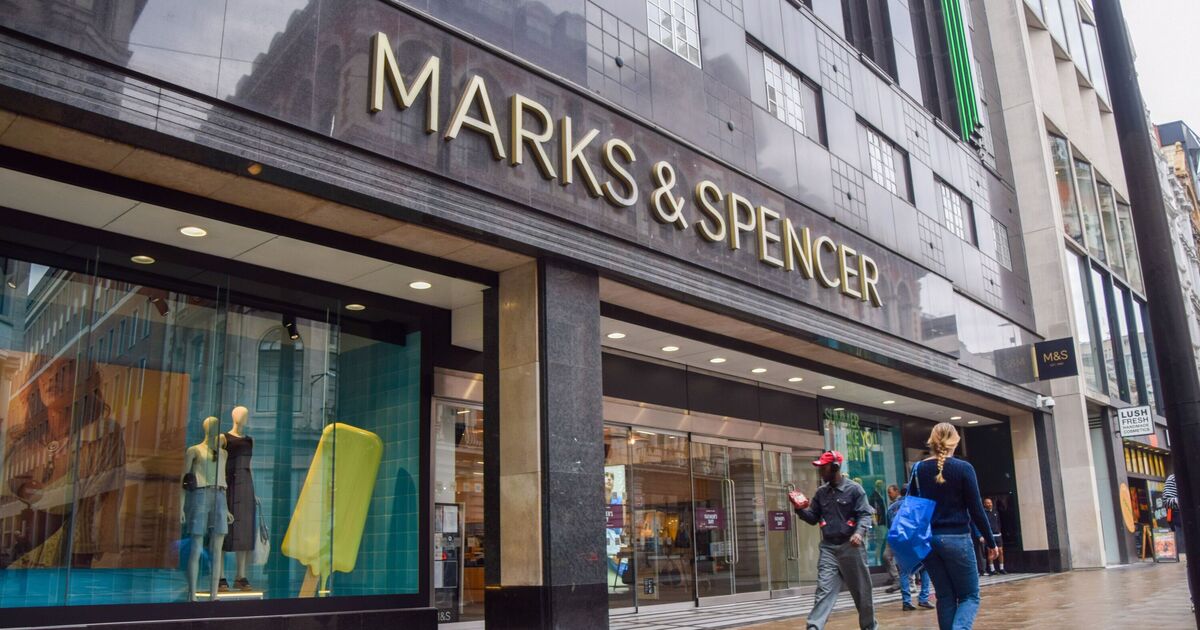
M&S Store Closures 2025: Impact & What's Next for Shoppers
Marks & Spencer, a cornerstone of the British high street for generations, is once again in the spotlight as it continues its significant transformation journey into 2025. Announcements regarding further M&S store closing plans have naturally raised questions and concerns among its vast base of loyal customers and dedicated employees. However, rather than signaling a retreat, these strategic decisions are part of a calculated move to modernise, streamline operations, and build a more resilient and digitally-focused retail presence fit for the future.
This ongoing evolution is not merely about shutting doors but about opening new avenues for growth. M&S aims to create a leaner, smarter network of stores, prioritising efficiency, sustainability, and an enhanced customer experience. For shoppers, understanding this transition is key to navigating the changes and discovering the exciting new face of M&S.
Understanding the M&S Transformation Strategy
The narrative around M&S store closing is not a sudden development but a continuation of a multi-year restructuring initiative. Marks & Spencer embarked on this phased transformation several years ago, identifying underperforming or outdated stores for closure while simultaneously investing heavily in its successful food halls, expanding its robust online platforms, and developing modern, integrated retail hubs.
In early 2025, M&S confirmed its intention to close approximately 30 additional stores across the UK by the end of the fiscal year. This aligns with a broader strategic goal, initially unveiled in 2022, to reduce its footprint of full-line stores (which offer clothing, homeware, and food) from 247 to roughly 180. The company’s official statements clarify that these closures primarily target older, less energy-efficient sites and those in high-rent urban areas that have experienced declining footfall. This decline is largely attributed to the persistent shift towards online shopping and evolving consumer behaviours post-pandemic.
Stuart Machin, M&S Chief Executive, underscored this vision in a January 2025 press release, stating, “This is not about retreating; it’s about reshaping. We are building a modern M&S that meets customers where they are — in stores that inspire and online spaces that deliver.” This sentiment perfectly encapsulates the brand’s proactive approach to future-proofing its business model and ensuring its continued relevance in a dynamic retail landscape.
Key Drivers Behind the Strategic Store Closures
Several interconnected factors are propelling M&S’s decision to continue with its strategic M&S store closing programme. These drivers reflect broader trends impacting the entire retail sector:
1. Changing Consumer Habits and the Digital Shift
Perhaps the most significant force is the dramatic alteration in how consumers choose to shop. Online retail now accounts for over 40% of M&S’s total clothing and home revenue – a substantial leap from just 25% before 2020. The pandemic acted as a catalyst, accelerating this digital migration, a trend that shows no signs of reversing.
Modern shoppers increasingly favour hybrid experiences: they browse extensively online, utilise convenient click-and-collect services, and often only visit physical stores for specific items, experiential shopping, or flagship store experiences. Consequently, older, less engaging retail locations with dwindling sales can no longer justify their significant operational costs. For a deeper dive into this phenomenon, read our related article: Why M&S Stores Are Closing in 2025: Reshaping for a Digital Future.
2. Soaring Property Costs and Strategic Relocation
The escalating costs associated with property and energy have put immense pressure on retailers. Operating in prime city-centre locations, particularly in bustling metropolitan areas like London, Manchester, and Birmingham, has become increasingly expensive. M&S is strategically re-evaluating its property portfolio to mitigate these financial burdens.
The company is increasingly favouring retail parks and suburban hubs, which often allow for larger, more modernised store formats. These "next-generation" stores can integrate food, clothing, homeware, and digital services more effectively, offering ample parking and a more comfortable shopping environment. This strategy was highlighted in 2023 when M&S announced plans to open 20 new, advanced stores by 2026, focusing on growing regions and areas offering better value, such as Leeds, Nottingham, and the South West.
3. Focus on Food-Only and Modern Integrated Formats
A significant aspect of the M&S transformation is a strategic pivot towards its highly successful food business. While full-line stores are being reduced, M&S is actively concentrating on its popular food-only outlets and building larger, integrated stores that seamlessly combine its renowned food offering with a curated selection of clothing and home goods. This allows the brand to capitalise on its strengths while providing a more focused, enjoyable shopping experience for customers.
4. The Push Towards Sustainability and Efficiency
Sustainability is no longer a buzzword but a core pillar of M&S's business model. Older stores are often less energy-efficient, requiring substantial investment to meet modern environmental standards. By closing these and opening new, purpose-built or extensively refurbished locations, M&S can reduce its carbon footprint, optimise energy consumption, and create a more environmentally responsible retail network. This commitment aligns with evolving consumer expectations for ethical and sustainable brands.
What This Means for Shoppers: Impact and the Future M&S Experience
For many loyal customers, the news of an M&S store closing can be disheartening, particularly if it's their local branch. The immediate impact can range from minor inconvenience to a significant change in shopping habits. Some shoppers might face longer travel times to their nearest M&S, while others might simply lament the loss of a familiar presence in their community.
However, it's crucial to view these changes through the lens of M&S's long-term vision. The closures are intended to pave the way for a superior shopping experience, both online and in enhanced physical stores. The "next-generation" M&S store is designed to be brighter, more spacious, and easier to navigate. It often features wider aisles, improved lighting, modern digital touchpoints (such as self-checkouts and click-and-collect zones), and a more inspiring product presentation.
The shift also means an even greater emphasis on M&S's digital channels. The website and M&S app are becoming central hubs for browsing, purchasing, and managing orders. Expect improved online product ranges, enhanced customer service features, and seamless integration between online and in-store services. This digital-first approach ensures that even as physical stores change, M&S remains readily accessible.
Navigating the Changes: Practical Tips for M&S Shoppers
As M&S continues its transformation, here are some practical tips to help you adapt and make the most of the evolving shopping experience:
- Check Before You Travel: Always verify the opening status and hours of your local M&S store online before making a special trip. Store locator tools on the M&S website are regularly updated.
- Embrace the M&S App: Download the Marks & Spencer app for easy access to your Sparks card, special offers, and a smooth online shopping experience. It's often the fastest way to browse new collections and check stock.
- Explore Click & Collect: If your favourite full-line store is closing, consider using the click-and-collect service at a nearby M&S Food store or a larger retail park location. This combines the convenience of online shopping with the benefit of no delivery fees.
- Discover New Store Formats: If a new "next-generation" M&S has opened in your region, make a point to visit it. You might be pleasantly surprised by the modern layout, expanded product ranges, and improved facilities. For more on how evolving habits shape retail, see The Truth Behind M&S Closures: How Changing Habits Reshape Retail.
- Stay Informed: Follow M&S's official announcements and local news for updates on store openings, closures, and refurbishment plans in your area.
Conclusion
The M&S store closing strategy for 2025 is a clear indicator of a venerable brand proactively adapting to the realities of 21st-century retail. While closures can evoke nostalgia and concern, they represent a vital step in M&S's journey to create a more efficient, customer-centric, and sustainable business. By focusing on modern formats, digital innovation, and its beloved food offering, M&S is not just surviving but reshaping itself for future success. Shoppers can anticipate a more refined, convenient, and inspiring experience as M&S continues to evolve, proving that even iconic brands must continually transform to remain at the heart of our shopping lives.